You Are What You Eat: What Food Can, and Can't, Do for Your Skin
No food will erase a wrinkle, and no single meal will ruin your complexion. But the building blocks of your skin come from what you eat, and after 40, when collagen gets harder to come by, those building blocks matter more. Here's what the research actually supports, without the miracle berries or the guilt.
Protein: the raw material for collagen
Collagen is a protein, and your body builds it from amino acids, especially glycine, proline and lysine. You don't have to eat collagen to make collagen, but you do need enough protein overall.
That's where many women quietly fall short as they get older. Appetite shrinks, meals get lighter, and protein is the first thing to slide. Experts in healthy aging commonly suggest that adults over 65 aim for roughly 1.0 to 1.2 grams of protein per kilogram of body weight a day, more than the standard recommendation for younger adults. For a woman who weighs 150 pounds, that's about 70 to 80 grams.
Spread it through the day instead of saving it for dinner: eggs or Greek yogurt at breakfast, beans, fish or chicken at lunch, and a palm-sized portion at supper. Lentils, tofu, edamame and cottage cheese all count.
Vitamin C: the helper collagen can't work without
Vitamin C isn't just for colds. Your skin cells need it to link collagen fibers into their stable, springy structure; without enough, the collagen they make is weaker. It's also an antioxidant that helps skin cope with daily sun and pollution.
A US study that analyzed the diets of more than 4,000 women, published in the American Journal of Clinical Nutrition in 2007, found that women who ate more vitamin C were less likely to have a wrinkled appearance and age-related dryness, even after accounting for sun exposure and other factors. Women who ate more linoleic acid, found in nuts and seeds, were less likely to have dry, thinning skin.
Good sources are easy to find: bell peppers (a red one has more vitamin C than an orange), citrus, kiwi, strawberries, broccoli and tomatoes. Aim for a couple of servings a day, and eat some of them raw, since cooking reduces vitamin C.
Water: helpful, within limits
Drinking eight glasses won't plump deep lines, and no study says it will. But hydration does matter, particularly if you don't drink much to begin with. In a Portuguese study, women who usually drank little water added about two liters a day for a month and saw their skin hydration measurements improve, while women who already drank plenty saw smaller changes.
The thirst signal also weakens with age, so don't wait to feel thirsty. Keep a glass in sight, and remember that soups, fruit, vegetables, milk and herbal tea all count toward the total.
Fats, color and the sugar question
- Healthy fats from oily fish, olive oil, avocado, walnuts and flaxseed help supply the lipids your skin barrier is built from.
- Colorful produce, like tomatoes, carrots, leafy greens and berries, brings antioxidants such as carotenoids and polyphenols. Variety beats chasing one "superfood."
- Sugar in moderation. When blood sugar runs high, sugar molecules can attach to collagen fibers in a process called glycation, leaving them stiffer and less elastic. That doesn't make dessert forbidden. It means sugary drinks and refined snacks shouldn't be the backbone of your day.
- Alcohol dehydrates and disrupts sleep, and both show in the mirror the next morning.
SkinKlean tip: Build one "skin plate" a day: a palm of protein, half the plate in colorful vegetables with something raw, a spoonful of olive oil or a small handful of nuts, and a glass of water on the side. It covers the essentials without counting a thing.
What food can't do
A good diet supports your skin from the inside, but it can't undo years of sun, bring back the firmness that fades after menopause, or deliver hydration straight to the surface of your face. That's where what you put on your skin comes in, and why the two work best together. If you're thinking about changing your diet because of a health condition or medication, talk to your doctor first.
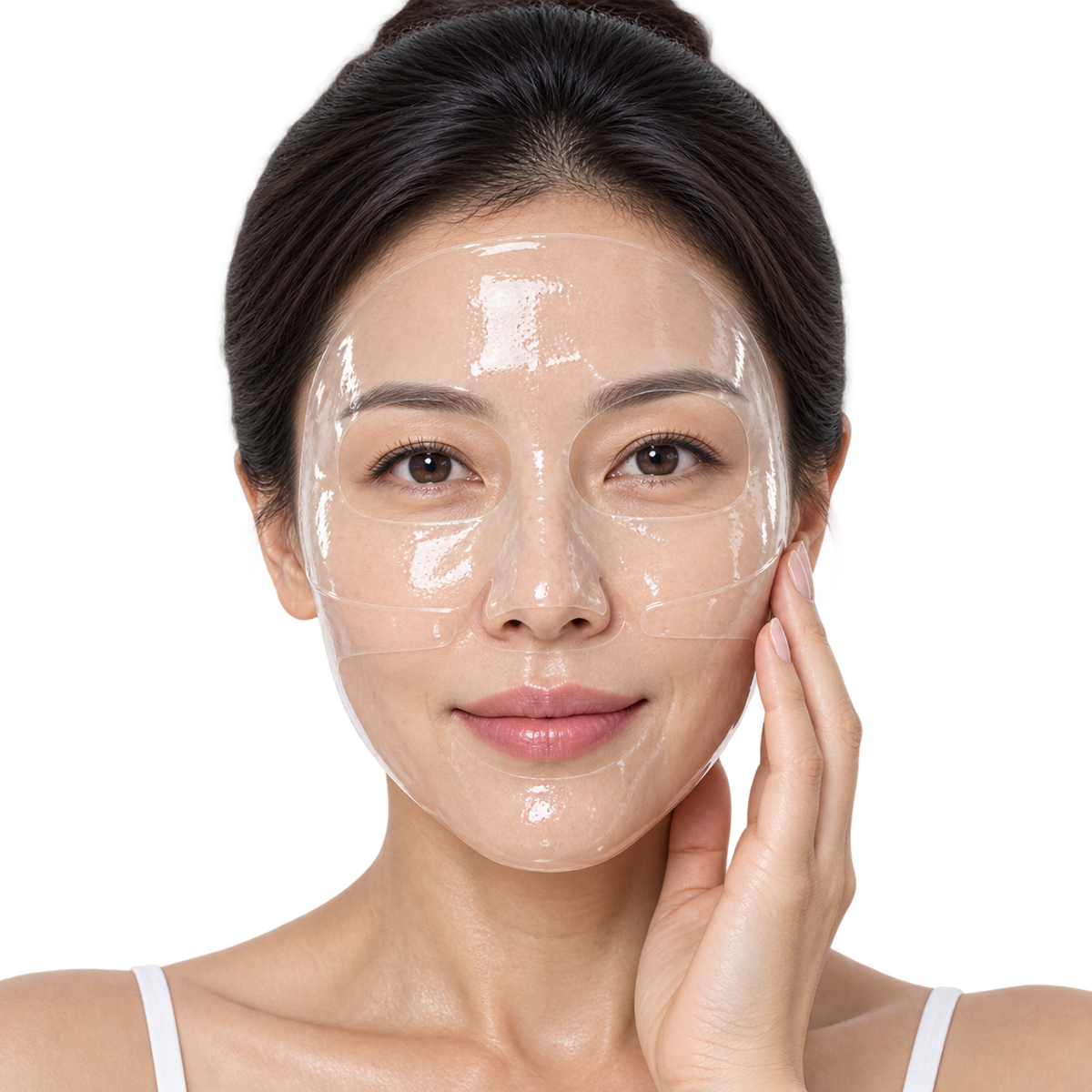
For the outside half of the equation, our Triple Collagen Plumping Gel Mask gives your skin what a plate can't send directly: 11.76% hydrolyzed collagen, 15% glycerin and two forms of hyaluronic acid, held against your face for one to three hours.